








Disclaimer: This information is not a substitute for professional medical advice, diagnosis or treatment.
Women’s Health Week 2026 (7-11 September) is built around a simple but powerful message: Do it anyway. Whether it’s making time for a nourishing meal, taking a short walk, prioritising sleep, checking in on your mental wellbeing, or reconnecting with someone important, small actions can have a meaningful impact on your health. This year’s daily themes are To Fuel, To Move, To Rest, To Breathe, and To Connect.
For many women, juggling work, family, caring responsibilities and everyday demands means personal health often slips down the priority list. The good news? Looking after your health doesn’t have to be complicated, time-consuming or perfect. Sometimes the most important step is simply getting started.
Day One: To Fuel
Nourishing Your Body Without Overcomplicating It
Nutrition advice can often feel overwhelming. One day carbohydrates are the enemy, the next day they’re essential. During Women’s Health Week, the focus isn’t on restrictive diets or unrealistic health goals. It’s about finding practical ways to fuel your body so you have the energy and nutrients you need to feel your best.
Many women experience nutritional challenges at different life stages. Iron needs may increase during reproductive years, calcium becomes increasingly important for bone health as women age, and changes in hormones during perimenopause and menopause can influence metabolism, appetite and energy levels.
Rather than aiming for perfection, consider small changes such as:
- Adding an extra serve of vegetables to your dinner
- Including a protein source at breakfast
- Drinking more water throughout the day
- Planning healthy snacks for busy days
- Reviewing whether you’re meeting your iron and calcium needs
When to seek health advice
Persistent fatigue, unexplained weight changes, digestive symptoms or concerns about nutritional deficiencies are worth discussing with a healthcare professional. A GP or dietitian can help identify underlying causes and provide personalised advice.
For women living in regional areas, balancing work and family commitments, or simply finding it difficult to book appointments, telehealth can make accessing nutritional and general health advice more convenient. A conversation from home may be the first step towards understanding what’s contributing to low energy or other symptoms.
Day Two: To Move
Many women believe exercise only counts if it’s intense, lengthy or happens in a gym. This year’s Women’s Health Week challenges that idea, encouraging women to find ways of moving that fit into real life.
Movement doesn’t need to involve running marathons or high-intensity workouts. Walking the dog, gardening, dancing in the kitchen, stretching between meetings, parking that little bit further away or taking the stairs all contribute to your overall health.
Regular movement can support:
- Heart health
- Bone strength
- Mental wellbeing
- Healthy ageing
- Better sleep
- Improved energy levels
Importantly, the “best” exercise is often the one you’ll actually continue doing.
Managing health conditions that affect movement
Many women experience barriers to physical activity, including chronic pain, arthritis, pelvic floor concerns, endometriosis, menopause symptoms or recovery after pregnancy.
If symptoms are stopping you from being active, it’s worth seeking medical advice rather than simply pushing through discomfort. Healthcare professionals can help identify strategies, treatments or referrals that support safe and sustainable movement.
Day Three: To Rest
Giving Sleep the Attention It Deserves
Sleep is often one of the first things sacrificed when life gets busy. Yet quality sleep plays a vital role in physical health, mental wellbeing, concentration, immune function and emotional resilience. Women’s Health Week highlights the importance of making rest a health priority.
Many Australian women face unique sleep challenges, including:
- Perimenopause and menopause symptoms
- Anxiety and stress
- Caring responsibilities
- Chronic pain
- Shift work
- Young children
When poor sleep becomes persistent, it can affect almost every aspect of daily life.
Small Steps Towards Better Sleep
Consider:
- Maintaining consistent sleep and wake times
- Limiting caffeine later in the day
- Creating a calming bedtime routine
- Reducing screen time before bed
- Addressing symptoms such as hot flushes, pain or anxiety
When Sleep Problems Need Further Attention
If you’re regularly waking exhausted, struggling to fall asleep, snoring heavily, or finding poor sleep is affecting your daily functioning, speaking with a healthcare professional may help uncover contributing factors and treatment options.
Day Four: To Breathe
Taking Care of Your Mental Wellbeing
Women’s Health Week recognises that mental health is just as important as physical health. Mental wellbeing can be influenced by work pressures, relationships, caregiving responsibilities, hormonal changes, financial stress and many other factors.
The goal isn’t to eliminate stress entirely. Instead, it’s about building habits that help you navigate life’s challenges.
Small actions can include:
- Taking regular breaks throughout the day
- Practising mindfulness or meditation
- Spending time outdoors
- Setting healthy boundaries
- Seeking support when you need it
- Being kinder to yourself during difficult periods
Recognising when you need support
Many women delay seeking help for anxiety, stress, low mood or burnout because they feel they should be able to manage everything themselves.
If you’re finding it hard to cope, reaching out for support is a sign of strength, not weakness. Early conversations with a GP can help identify practical strategies, treatment options or referrals to mental health professionals.
Day Five: To Connect
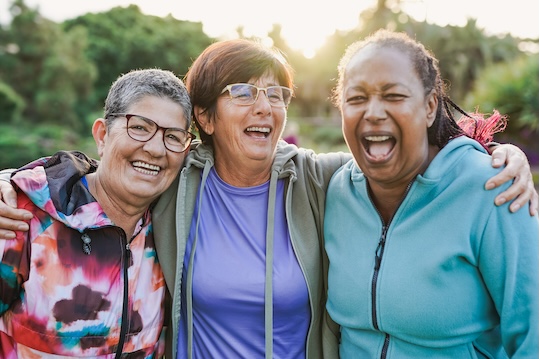
Humans are wired for connection. Relationships and social support can play a powerful role in our health and wellbeing. That’s why the final day of Women’s Health Week focuses on rebuilding and nurturing meaningful connections.
Connection doesn’t have to mean having a large social network. Sometimes it’s as simple as:
- Calling a friend you’ve been meaning to contact
- Joining a community group
- Attending a local event
- Checking in on a family member
- Spending quality time with people who support you
Strong social connections have been linked to better mental and physical health, while loneliness and isolation can affect wellbeing over time.
Connection includes healthcare too
Building a supportive relationship with your healthcare team is another important aspect of staying well. Whether you’re managing a chronic condition, navigating menopause, seeking mental health support or simply keeping up with preventive care, having trusted healthcare professionals you can turn to can make a significant difference.
Small steps matter
The beauty of this year’s Women’s Health Week theme is that it acknowledges reality. Life is busy. There will never be a perfect time to prioritise your health. But meaningful changes don’t always require dramatic transformations.
Maybe your first step is adding an extra vegetable to dinner. Maybe it’s booking a health check you’ve been postponing. Maybe it’s taking a short walk, going to bed earlier, speaking to someone you trust, or reaching out for professional support.
Visit the Jean Hailes website to learn more and get involved with Women’s Health Week.