








Disclaimer: This information is not a substitute for professional medical advice, diagnosis or treatment.
Clinically reviewed by Dr Magdalene (Peggy) Dubert, MBBS, FRACGP
AHPRA: MED0000987224
Key Takeaways
- Iron deficiency is one of the most common nutritional deficiencies in children under five years of age1.
- Drinking too much cow’s milk can increase the risk of iron deficiency anaemia in toddlers1.
- Australian guidelines recommend limiting cow’s milk intake to around 500mL (2 cups) per day for children aged 1-5 years1
- Symptoms of iron deficiency can include tiredness, pale skin, poor appetite, irritability, slow growth, and behavioural changes1.
- A GP can arrange blood tests to check iron levels if there are concerns1.
Can too much milk cause anaemia in toddlers?
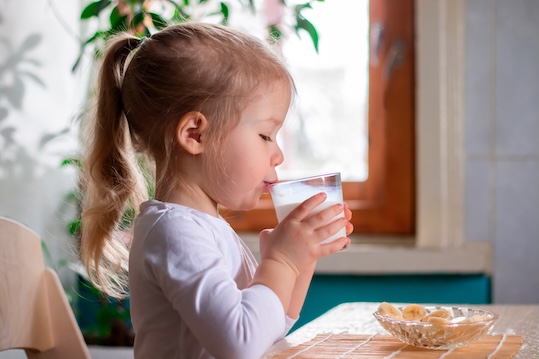
Milk is often considered a healthy staple of a toddler’s diet. It provides protein, calcium, and other nutrients important for growth and development. However, excessive cow’s milk consumption may contribute to iron deficiency anaemia in young children1.
Iron deficiency anaemia occurs when the body does not have enough iron to produce healthy red blood cells. Red blood cells are responsible for carrying oxygen around the body, and low iron levels can affect a child’s energy, growth, immune function, and brain development.
Recent concerns from paediatric specialists across Australia have highlighted increasing rates of iron deficiency in toddlers, particularly among children who consume large amounts of cow’s milk2.
Why do specialists believe too much milk may increase the risk of iron deficiency?
Specialists have indicated several reasons why excessive cow’s milk intake may contribute to low iron levels.
Cow’s milk contains very little iron
While cow’s milk is rich in calcium and protein, it naturally contains very little iron compared with breast milk or iron-fortified infant formula. If toddlers drink large quantities of milk, they may not get enough iron from their overall diet1.
Milk can reduce appetite for iron-rich foods
Milk can be very filling. Toddlers who consume several bottles or cups of milk throughout the day may feel too full to eat foods that provide iron, such as:
- Lean red meat
- Chicken
- Fish
- Eggs
- Beans and lentils
- Tofu
- Iron-fortified cereals
Over time, this may lead to inadequate iron intake.
Milk may affect iron absorption
Research suggests that high dairy intake may interfere with the body’s ability to absorb iron from food. While this is not usually a problem when milk is consumed in recommended amounts, excessive intake may contribute to lower iron levels in susceptible children1.
How much milk should a toddler drink?
According to current Australian guidance:
Under 12 months:
- Breast milk or infant formula should be the main drink
- Cow’s milk should not be used as a primary drink
Children aged 1 – 5 years:
- Limit cow’s milk to approximately 500mL per day (around 2 cups)
This allows room in the diet for a variety of iron-rich foods and other important nutrients
Signs of iron deficiency in toddlers
Iron deficiency can develop gradually and may be difficult to recognise at first.
Common symptoms may include:
- Fatigue or low energy
- Irritability
- Poor appetite
- Frequent illness
- Slow growth
- Behavioural changes
- Difficulty concentrating
- Shortness of breath during activity
Some children may have few obvious symptoms, which is why medical assessment is important if parents have concerns.
How common is iron deficiency in Australian children?
Iron deficiency remains one of the most common nutritional deficiencies worldwide and is frequently seen in children under five. Children’s Health Queensland reports that iron deficiency anaemia affects approximately 1 in 5 children in industrialised countries1.
Data from the Australian ORIGINS study has also highlighted the scale of the issue, finding significant rates of low iron among young children by three years of age.
How to help prevent iron deficiency
Parents can support healthy iron levels by:
Offering iron-rich foods daily
Include foods such as:
- Lean beef and lamb
- Poultry
- Fish
- Eggs
- Legumes
- Iron-fortified cereals
- Tofu and soy products
Pairing iron with Vitamin C
Research suggests that Vitamin C may help the body absorb iron more effectively3. Good options include:
- Oranges
- Strawberries
- Kiwi fruit
- Tomatoes
- Capsicum
- Broccoli
Limiting excess milk intake
Aim to keep cow’s milk intake within recommended levels and encourage a balanced diet with a variety of foods.
When should you see a doctor?
It’s a good idea to speak with a GP if your toddler:
- Drinks more than 500mL of cow’s milk most days
- Eats very few iron-rich foods
- Appears tired or pale
- Has poor growth or appetite
- Has symptoms that concern you
Early identification and treatment can help support healthy growth, development, and energy levels.
Scheduling a GP appointment
During your consult, a GP can assess whether testing is appropriate. Blood tests can check haemoglobin and ferritin levels to identify iron deficiency.
Frequently asked questions
Can toddlers drink too much milk?
Yes. While milk has some nutritional benefits, excessive consumption may reduce appetite for iron-rich foods and contribute to iron deficiency anaemia
What is the recommended milk intake for toddlers?
Australian guidance recommends up to 500mL (around 2 cups) of cow’s milk per day for children aged 1-5 years.
What are the symptoms of iron deficiency in toddlers?
Common symptoms include tiredness, pale skin, irritability, poor appetite, slow growth, and frequent illness.
How can I increase my toddler’s iron intake?
Offer iron-rich foods daily (lean beef and lamb, poultry, fish, eggs, legumes, iron-fortified cereals, tofu and soy products) and combine them with vitamin C-rich foods to improve absorption.
How is anaemia tested in children?
If your doctor suspects anaemia in a child, they may recommend a referral to pathology for a blood test.
Should toddlers be routinely screened for anaemia?
Routine screening is generally not recommended for all Australian children, but testing may be appropriate for children with risk factors or symptoms. A doctor will assess and advise base on each child’s individual circumstances.
Can anaemia or iron deficiency affect a child’s development?
Yes. Iron deficiency anemia can affect brain development, learning, behaviour, energy levels, growth and development in infants and toddlers. Early diagnosis and treatment can help prevent complications and support healthy development.
Get expert medical advice from home
Our experienced, Australian-based online doctors can assess your child’s symptoms, provide personalised medical advice and help you determine the next steps for your child’s care.
Book an online doctor appointment to speak with a doctor today.
References